Emergency Numbers & What to Do in a Medical Emergency Abroad (2026)
Every year, thousands of international students face a medical emergency in a foreign country — and most of them do not know the local emergency number. Knowing whether to dial 112, 911, 999, or 000 could mean the difference between fast help and dangerous delays. This guide gives you the emergency numbers for 20+ countries, a step-by-step action plan for any crisis, and everything you need to know about how your insurance covers you when things go wrong abroad.
Save this page. Screenshot the table. Share it with a friend going abroad.
Emergency Numbers for 20+ Countries (2026)
The most important number you should save before flying out: 112 works on all mobile phones in the EU and many other countries, even without a SIM card or signal bars.
| Country | Police | Ambulance | Fire | Notes |
|---|---|---|---|---|
| 🇩🇪 Germany | 110 | 112 | 112 | 112 works EU-wide |
| 🇦🇹 Austria | 133 | 144 | 122 | — |
| 🇨🇭 Switzerland | 117 | 144 | 118 | — |
| 🇫🇷 France | 17 | 15 (SAMU) | 18 | 112 also works |
| 🇪🇸 Spain | 091 | 061 | 080 | 112 also works |
| 🇮🇹 Italy | 113 | 118 | 115 | 112 also works |
| 🇳🇱 Netherlands | 112 | 112 | 112 | Unified number |
| 🇧🇪 Belgium | 101 | 100 | 100 | 112 also works |
| 🇸🇪 Sweden | 112 | 112 | 112 | Unified number |
| 🇵🇱 Poland | 997 | 999 | 998 | 112 also works |
| 🇬🇧 United Kingdom | 999 | 999 | 999 | 112 also works |
| 🇺🇸 USA | 911 | 911 | 911 | Unified number |
| 🇨🇦 Canada | 911 | 911 | 911 | Unified number |
| 🇲🇽 Mexico | 911 | 911 | 911 | Unified number |
| 🇧🇷 Brazil | 190 | 192 | 193 | 112 on mobile |
| 🇦🇺 Australia | 000 | 000 | 000 | 112 also works |
| 🇳🇿 New Zealand | 111 | 111 | 111 | — |
| 🇯🇵 Japan | 110 | 119 | 119 | Fire and ambulance share 119 |
| 🇨🇳 China | 110 | 120 | 119 | Separate numbers |
| 🇰🇷 South Korea | 112 | 119 | 119 | — |
| 🇮🇳 India | 112 | 112 | 112 | Unified since 2019 |
| 🇹🇷 Turkey | 155 | 112 | 110 | — |
| 🇦🇪 UAE | 999 | 998 | 997 | — |
| 🇸🇬 Singapore | 999 | 995 | 995 | — |
| 🇿🇦 South Africa | 10111 | 10177 | 10177 | Or 112 on mobile |
Tip: In any EU country, 112 always works — even from a locked screen, even without a SIM, even with no network bars. In the USA and Canada, 911 works the same way.
Step-by-Step: What to Do in a Medical Emergency Abroad
Step 1 — Stay Calm and Assess the Severity
Before you do anything else, take two seconds to assess: Is this a life-threatening emergency or something that can wait?
Call emergency services immediately if you see:
- Chest pain or pressure that doesn’t go away
- Difficulty breathing or shortness of breath
- Loss of consciousness (person cannot be woken)
- Heavy bleeding that won’t stop with pressure
- Signs of stroke: face drooping, arm weakness, slurred speech
- Severe allergic reaction (throat swelling, hives, dizziness)
- Suspected spinal injury (do not move the person)
- High fever with stiff neck or extreme confusion
Go to urgent care (not emergency) for:
- High fever (above 39°C / 102°F) without other alarm signs
- Suspected fracture without open wound
- Deep cut that may need stitches
- Severe vomiting or diarrhea with signs of dehydration
Can wait for a regular doctor appointment:
- Common cold, mild flu symptoms
- Minor cuts or bruises
- Mild stomach upset
- Non-severe headache
Step 2 — Call the Emergency Number
When you call, the dispatcher will ask you several questions. Speak slowly and clearly. Here is what to say:
What to say in English:
“I need an ambulance. My address is [street, city]. I am a student from [country]. I have a medical emergency — [describe briefly: person is unconscious / person cannot breathe / there is heavy bleeding]. My name is [your name]. My phone number is [number].”
Key things to communicate:
- Your exact location (building number, street, nearest landmark)
- What happened (describe symptoms, not a diagnosis)
- How many people are affected
- Your name and callback number
Stay on the line. Emergency dispatchers often give instructions while help is on the way — for example, how to do chest compressions or apply pressure to a wound.
Step 3 — Deal With the Language Barrier
Language barriers kill people. Here is how to minimize the risk:
- Say “Do you speak English?” immediately after the dispatcher answers
- In EU countries, many dispatch centers have English-speaking operators or can connect to one within 30–60 seconds
- Use the Google Translate app in “conversation mode” for direct translation
- Show written text on your phone screen to medical staff (“I am allergic to penicillin” / “I have type 1 diabetes”)
- Your university’s international office often has a 24/7 emergency line — save that number too
- Many countries have tourist helplines staffed in English (e.g., Germany: +49 30 60 00 51 51, Spain: 902 102 112 for tourist assistance)
Key medical phrases to save on your phone:
- “I am having a medical emergency”
- “I cannot breathe”
- “I am allergic to [medication/substance]”
- “I have [condition: diabetes / epilepsy / heart condition]”
- “I need an ambulance”
Step 4 — Hospital vs. Emergency Room — What’s the Difference?
This distinction matters enormously for your wallet and your waiting time:
| Type | Best for | Cost level | Typical wait |
|---|---|---|---|
| Emergency Room (ER / A&E) | Life-threatening, severe emergencies | $$$ | 1–8 hours |
| Urgent Care / Walk-in clinic | Non-life-threatening but urgent | $$ | 30–90 min |
| General Practitioner (GP) | Routine, non-urgent illness | $ | By appointment |
| University Health Center | Mild illness, prescriptions | $ or free | Same/next day |
| Pharmacy | Very minor issues, advice | $ or free | Immediate |
In most European countries, showing up at the ER with a minor complaint will cost you waiting time more than money (public ERs are often free or low-cost for insured students). In the USA, showing up at the ER for a non-emergency can cost you $500–$3,000 out of pocket even with insurance. Always call your insurer’s 24/7 helpline first.
Step 5 — Notify Your Insurance Company
As soon as the immediate crisis is over:
- Call your insurer’s 24/7 emergency line (the number is on your insurance card)
- Tell them: country, hospital name, your policy number
- Ask about direct billing — can the hospital bill them directly, or do you pay first and claim later?
- Ask if pre-authorization is required for any treatments, surgeries, or scans
- Keep every receipt, invoice, and medical record — you’ll need them for reimbursement
Important: Many insurers require you to contact them within 24–48 hours of a hospitalization. Missing this window can result in a reduced or denied claim. Check your policy terms before you travel.
How Does Insurance Cover Medical Emergencies?
What Good Student Insurance Covers
Most comprehensive international student insurance plans cover:
- Emergency treatment — 100% of medically necessary emergency care up to your policy limit
- Hospitalization — inpatient care, surgery, ICU stays
- Ambulance transport — ground ambulance to the nearest appropriate hospital
- Prescription medication — drugs prescribed during or after emergency treatment
- Emergency dental — treatment for acute pain or injury-caused damage
- Mental health crisis — increasingly covered by modern plans (varies by provider)
What Is Often NOT Covered
- Non-emergency treatment that you chose not to pre-authorize
- Emergencies related to pre-existing conditions (if not disclosed at sign-up)
- Self-inflicted injuries or emergencies related to extreme sports without adventure rider
- Alcohol or drug-related emergencies (some policies exclude these)
- Cosmetic treatment
Does Your Plan Cover Ambulances?
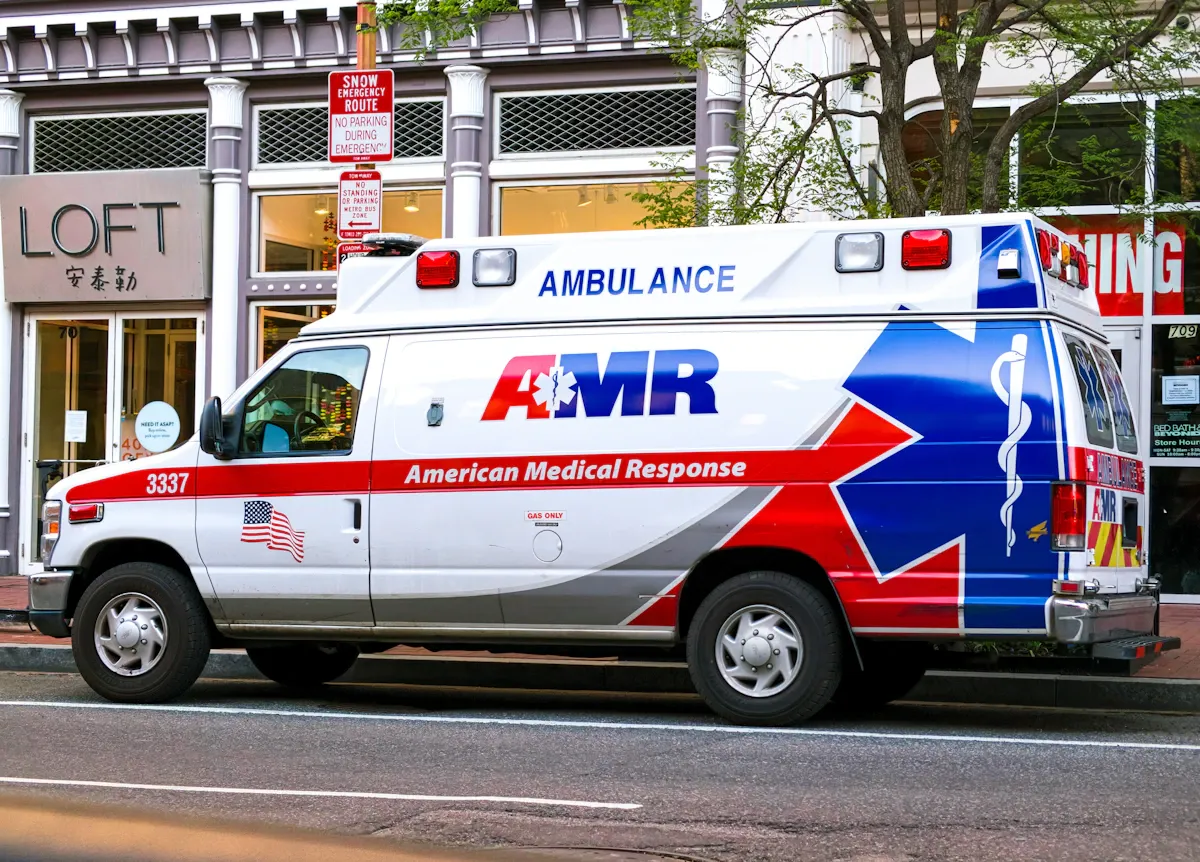
Ground ambulance: Covered by most comprehensive plans. In countries like the UK (NHS) and Germany (GKV/PKV), it is included in standard care. In the USA, a single ground ambulance ride averages $1,200–$2,500 — make sure your plan explicitly covers it.
Air ambulance / helicopter rescue: Usually requires a separate rider or a higher-tier plan. A domestic helicopter evacuation in the USA averages $12,000–$25,000. An international medical evacuation can easily exceed $50,000–$100,000.
Medical repatriation: Being flown home in a medical aircraft when you are too ill to fly commercially. This is one of the most expensive items in emergency medicine — costs range from $15,000 to over $150,000 depending on distance and medical need. Always confirm your policy explicitly covers this.
Emergency Coverage by Insurance Type
| Insurance type | Emergency coverage | Ambulance | Repatriation |
|---|---|---|---|
| International student PKV (Germany) | Full inpatient + outpatient | Yes | Usually yes |
| GKV (Germany public) | Full in Germany, limited abroad | Yes in DE | Limited |
| OSHC (Australia) | Hospital + emergency | Yes | No |
| Travel insurance (basic) | Emergency only | Often yes | Sometimes |
| Cheap €30/month plans | Varies widely | Check policy | Rarely |
Always read your policy’s Section on “Emergency Treatment” and “Medical Evacuation” before you travel. The devil is in the details.
Ambulance Costs by Country — What to Expect
One of the biggest shocks for students abroad: in some countries, calling an ambulance is completely free. In others, it can cost thousands of dollars.
| Country | Ground ambulance cost (approx.) | Covered by public system? |
|---|---|---|
| 🇩🇪 Germany | €300–€800 | Yes (GKV/PKV) |
| 🇬🇧 UK | Free (NHS) | Yes |
| 🇫🇷 France | Free (SAMU) | Yes |
| 🇦🇺 Australia | AUD 400–900 (varies by state) | Partly (OSHC covers) |
| 🇺🇸 USA | $1,200–$2,500 | No (need insurance) |
| 🇨🇦 Canada | CAD 100–240 | Partly (by province) |
| 🇯🇵 Japan | Free | Yes |
| 🇸🇬 Singapore | SGD 100–300 | Partly |
| 🇨🇭 Switzerland | CHF 500–1,200 | Yes (with KVG) |
In countries with free or subsidized ambulances, you still need insurance for hospital treatment, surgery, ICU stays, and medication — the ambulance is just the ride.
In the USA, even a short ambulance ride from your dorm to the campus hospital can result in a bill of $1,500+. Make sure you have a plan that explicitly covers ambulance transport.
Before You Travel: Your Emergency Preparation Checklist
Do these 5 things before you board that plane:
1. Save emergency numbers Save the police, ambulance, and fire numbers for your destination in your phone’s contacts as “EMERGENCY - [Country]”. Also save 112 as a universal backup.
2. Know your insurance details Screenshot your insurance card. Write down your policy number, the 24/7 emergency number, and the name of your insurer. Keep this in your phone notes AND a physical printout in your wallet.
3. Set up a medical ID on your phone On iPhone: Settings → Health → Medical ID. On Android: Emergency information in lock screen settings. Include: blood type, allergies, medical conditions, emergency contact name and number. This is visible from a locked screen.
4. Register with your home country’s embassy Many countries offer free registration for nationals studying abroad (e.g., Germany: “Krisenvorsorgeliste”, USA: STEP program, UK: FCDO travel registration). In a major crisis, your embassy can locate and assist you.
5. Check your insurance covers your destination Some student plans only cover the country you enrolled in. If you travel to a neighboring country for a weekend trip, confirm you are still covered. Compare plans that cover travel across multiple countries.
Special Situations: What to Do When…
You’re in a Country That Doesn’t Speak Your Language
- Download an offline translation app (Google Translate, DeepL) before you travel
- Learn to say “I need a doctor” and “Call an ambulance” in the local language
- Carry a physical medical card in the local language listing your blood type, allergies, and conditions (cards are printable free at medicalert.org)
- Your insurer’s emergency line often has multilingual staff — call them first
You’re With Someone Who Collapses
- Check responsiveness: tap shoulders, call loudly
- If unresponsive and not breathing normally — call emergency services immediately
- If trained: start CPR (30 compressions, 2 breaths). If untrained: the dispatcher will guide you
- Stay with the person until help arrives
- Do not move someone who may have a spinal injury
Your Travel Buddy Has a Medical Emergency and Is Hospitalized
- Stay calm and contact their emergency contact (saved in their phone’s Medical ID)
- Notify your university’s international office
- Help gather their insurance documentation
- Ask the hospital for a point of contact (patient liaison, social worker)
- Document everything — take photos of documents if needed
You Need Emergency Treatment But Have No Insurance
Do not refuse treatment because of money. Emergency treatment must be provided in almost every country regardless of ability to pay. You may receive a large bill afterwards — but you can negotiate payment plans, seek embassy assistance, or contact your home government for emergency repatriation support.
That said: this is exactly why having the right insurance before you travel is so important. Avoid this situation by comparing student health insurance plans before you go.
FAQ — Medical Emergencies Abroad
Does 112 work in every country? 112 works on all mobile phones in all EU member states, regardless of carrier or even if you have no SIM card. It also works in many non-EU countries like Switzerland, Turkey, India, and Australia. However, it does not replace 911 in the USA and Canada — dial 911 there.
What if I can’t afford to pay the ambulance bill? Request an itemized bill from the provider. Contact your insurer immediately — they may be able to negotiate directly with the provider. If uninsured, most hospitals have financial assistance programs. In the EU, emergency treatment cannot legally be refused regardless of your ability to pay at the time.
Will my insurance cover emergency treatment in a country I’m just visiting? It depends on your policy. Some international student plans only cover your enrolled country. Others cover worldwide emergencies. Always check the geographic scope of your policy before traveling.
How do I get reimbursed after paying out of pocket? Keep all receipts, medical reports, and invoices. File a claim through your insurer’s app or portal as soon as possible after the emergency. Most insurers have a 30–90 day window for submitting claims. Learn the full process in our guide to filing health insurance claims.
What is medical repatriation and does my plan cover it? Medical repatriation means being transported back to your home country for further medical treatment when local care is insufficient. It requires a specialized medical aircraft and costs between $15,000–$150,000+. Check explicitly whether your plan covers this — many basic plans do not.
I called an ambulance but the bill came to me, not my insurer. What now? First, do not panic. Contact your insurer and send them the bill directly. Many insurers can pay providers directly if billed, even after the fact. If you already paid, file a reimbursement claim. Keep the original invoice and payment confirmation.
Related Articles
- What to Do if You Get Sick Abroad: A Student’s Guide
- How to File a Health Insurance Claim Abroad
- Understanding Health Insurance Deductibles and Co-payments
Compare student health insurance plans now — find a policy that covers emergency treatment, ambulance transport, and medical repatriation before your next trip abroad. Compare Plans →
Was this article helpful?